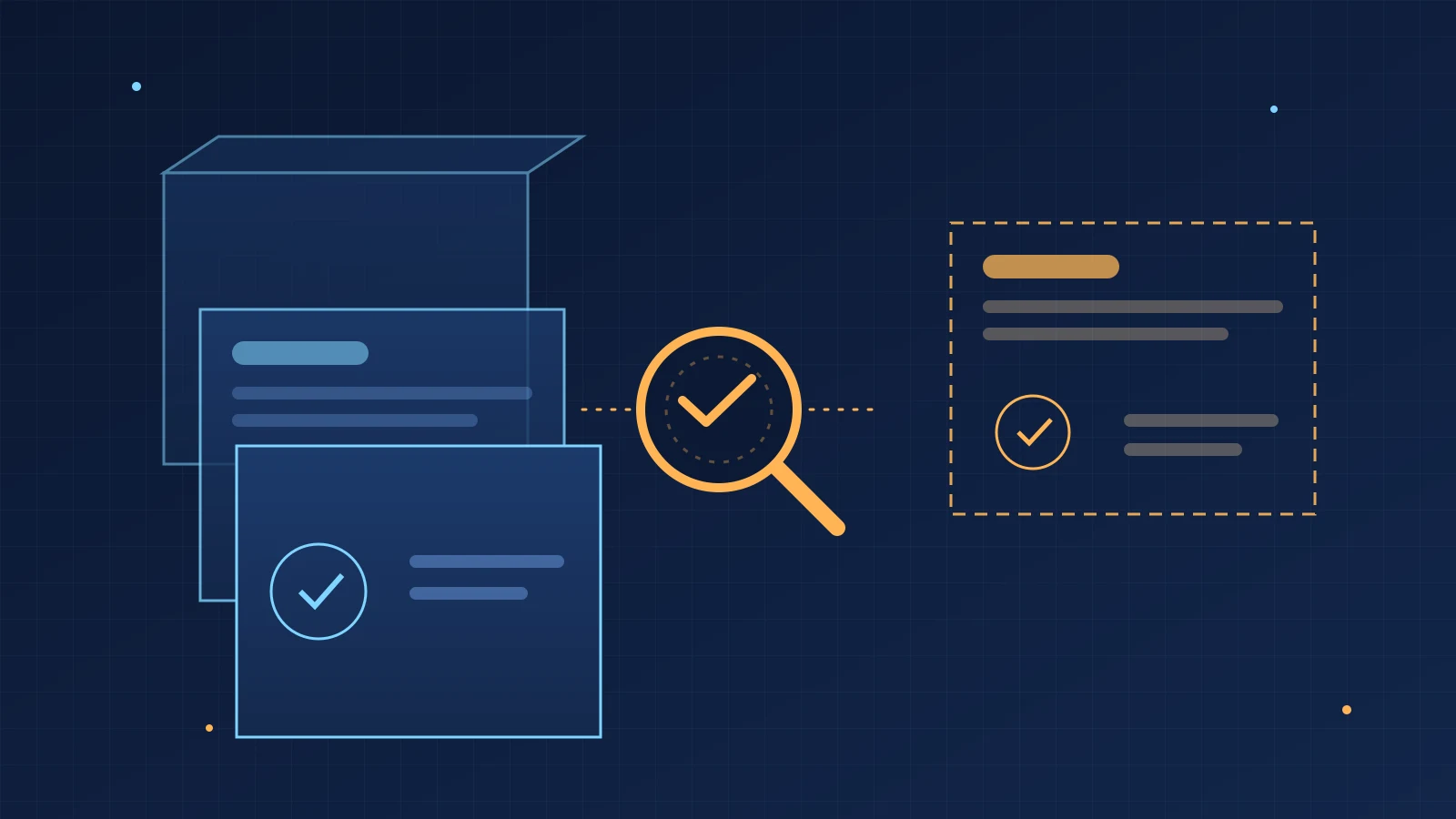
Two open-source tools are making people rethink how hard it is to copy software. REA helps an AI agent understand how a program works. Craft Anything, from a related circle of developers, uses an agent to build a new version. Both are early, and many claims about them come from the projects themselves.
We could not open the projects’ GitHub pages ourselves, so the project details below come from write-ups that cite their README files. Figures are labelled as project-reported where that applies.
What REA is
REA, short for Reverse Engineer Anything, is a free, MIT-licensed tool. It connects coding agents such as Claude Code, Codex, and Cursor to reverse-engineering tools. The project was published on GitHub on April 14, 2026, and had more than 330,000 stars by October 19, according to one technical write-up. Targets include native programs, Electron apps, Android apps, firmware, WebAssembly, and websites.
An agent using REA studies a program and shows evidence for what it finds. REA is not a “clone” button. A write-up says its README does not recover original source code or automatically clone applications. For native programs, you still need a separate engine such as Ghidra, IDA, or Hopper.
A note on names: a robotics project from NUS and Berkeley also uses “REA” for a runtime. It is unrelated to this tool.
What Craft Anything adds
Craft Anything comes from the team behind ArtCraft. It is open source, in early alpha, and had its first releases in late October. It studies a website, app, or game. Then a coding agent on your computer builds a new version, and the tool compares the result with the original.
It has two modes. The default “clean room” mode uses only what a visitor can see, such as screenshots, visible text, layout, colors, and fonts. It does not read the original’s code or page source. “Deep” mode turns on the full toolset, including reading code. The README lists 314 tools, a project-reported number that has not been independently checked. The tool works best with Claude Code.
What you can do with them
- Security teams can triage unknown binaries and APKs faster.
- Preservation projects can study old software. One showcase rebuilt the audio logic of the game DX-Ball in C and passed 3,205 tests against the original. It was published by the project’s own showcase.
- Developers can learn how an undocumented app works before they connect to it.
The limits are real. Craft Anything says complex projects, such as large games, will likely need manual debugging. Its sibling project ArtCraft says its video editor is only about 56% ready for real work, according to its maintainers’ own estimate.
Why it matters
- Copying gets cheaper. Software vendors face pricing pressure and weaker lock-in. Some are updating their terms to ban AI-assisted reverse engineering. ArtCraft’s developer, Brandon Thomas, wrote that every closed workflow will fold.
- Security cuts both ways. Defenders can analyze malware faster, but attackers get the same speed. Software that relied on being hard to understand is more exposed.
- The law is unsettled. In the EU, studying a program you lawfully have is allowed. Decompiling is allowed only when needed for interoperability, and the result may not be used to build a substantially similar program. Ideas are not protected by copyright, but code is (noze). In the US, courts found fair use in some disassembly cases and in copying API declarations. Whether an AI can act as a “clean room” the way a human team can is still unresolved.
What experts and the industry say
Few named experts have commented so far. Most views come from developers, lawyers, and online communities.
- Thomas says his repositories forbid the AI from reading or copying the originals’ code. He has since scaled back his early promise of full feature parity.
- One lawyer quoted in a write-up said independent reimplementations may be defensible, but expected a fight once a well-funded company is affected.
- Press reviewers say the clean-room claim for ArtCraft’s video editor has not been independently verified.
- On Hacker News, one commenter said cheaper decompilation helps preservation. The most upvoted worry was that agents could reduce hobbyist collaboration.
- Adobe and Microsoft had made no public comment in the coverage we found.
- REA’s own disclaimer lists research, malware analysis, interoperability, and preservation as intended uses. It says the project will not help bypass DRM, license checks, or anti-cheat, or copy proprietary code.
What to watch
The first court case, changes to software license terms, independent checks of clean-room claims, and whether these alpha tools become reliable.
Sources
- REA (Reverse Engineer Anything) repository (GitHub) (primary)
- Craft Anything repository (GitHub) (primary)
- Directive 2009/24/EC on the legal protection of computer programs (EUR-Lex) (primary)
- REA: reverse engineer anything with agents over MCP (noze) (secondary)
- REA guide for MCP agents (DevelopersDigest) (secondary)
- Craft Anything coverage (PBX Science) (secondary)
- Is software really dead? The rise of AI-powered reverse engineering (HackerNoon) (secondary)
- ArtCraft coverage (Techstrong) (secondary)